

Skip to content
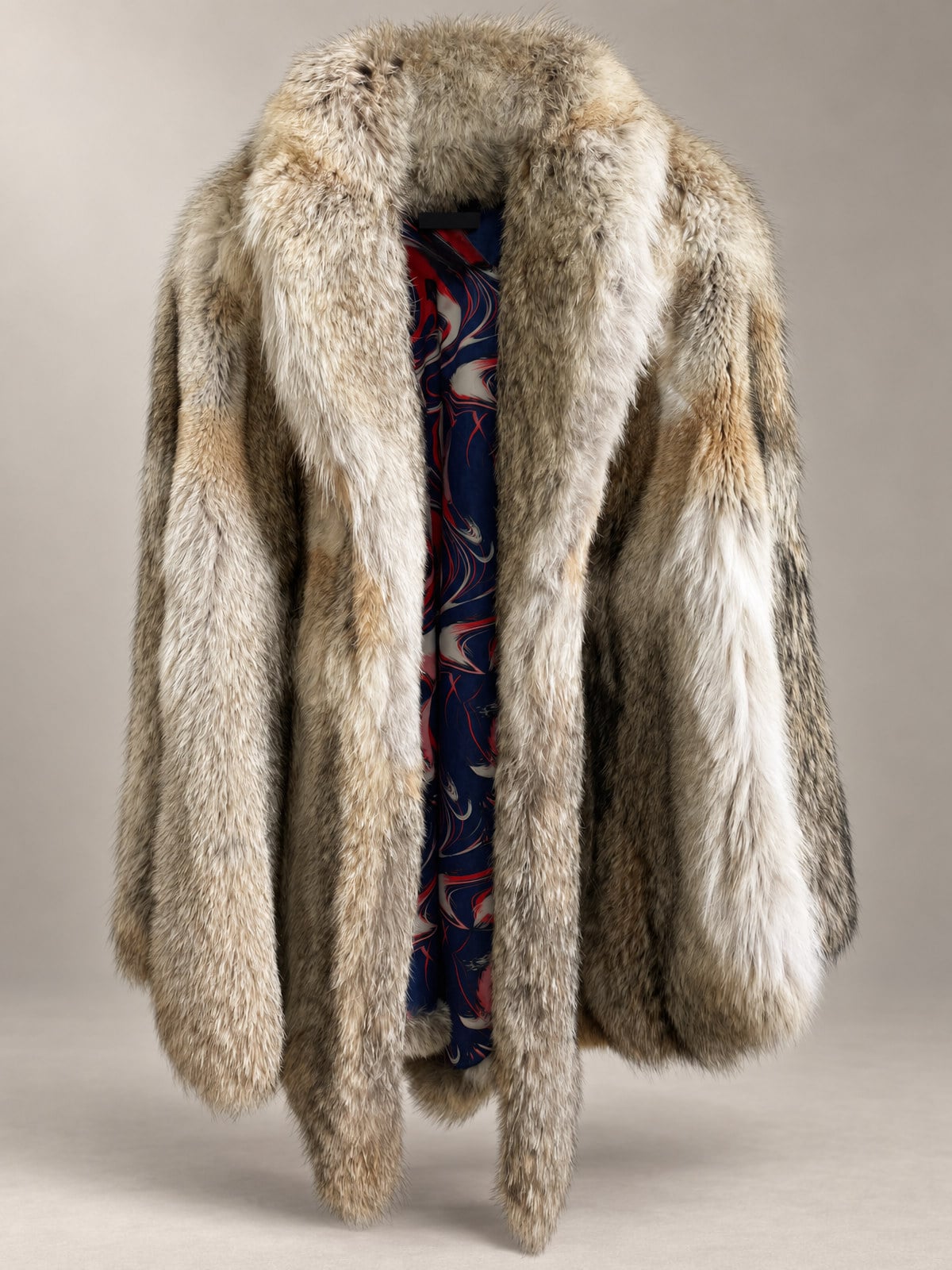
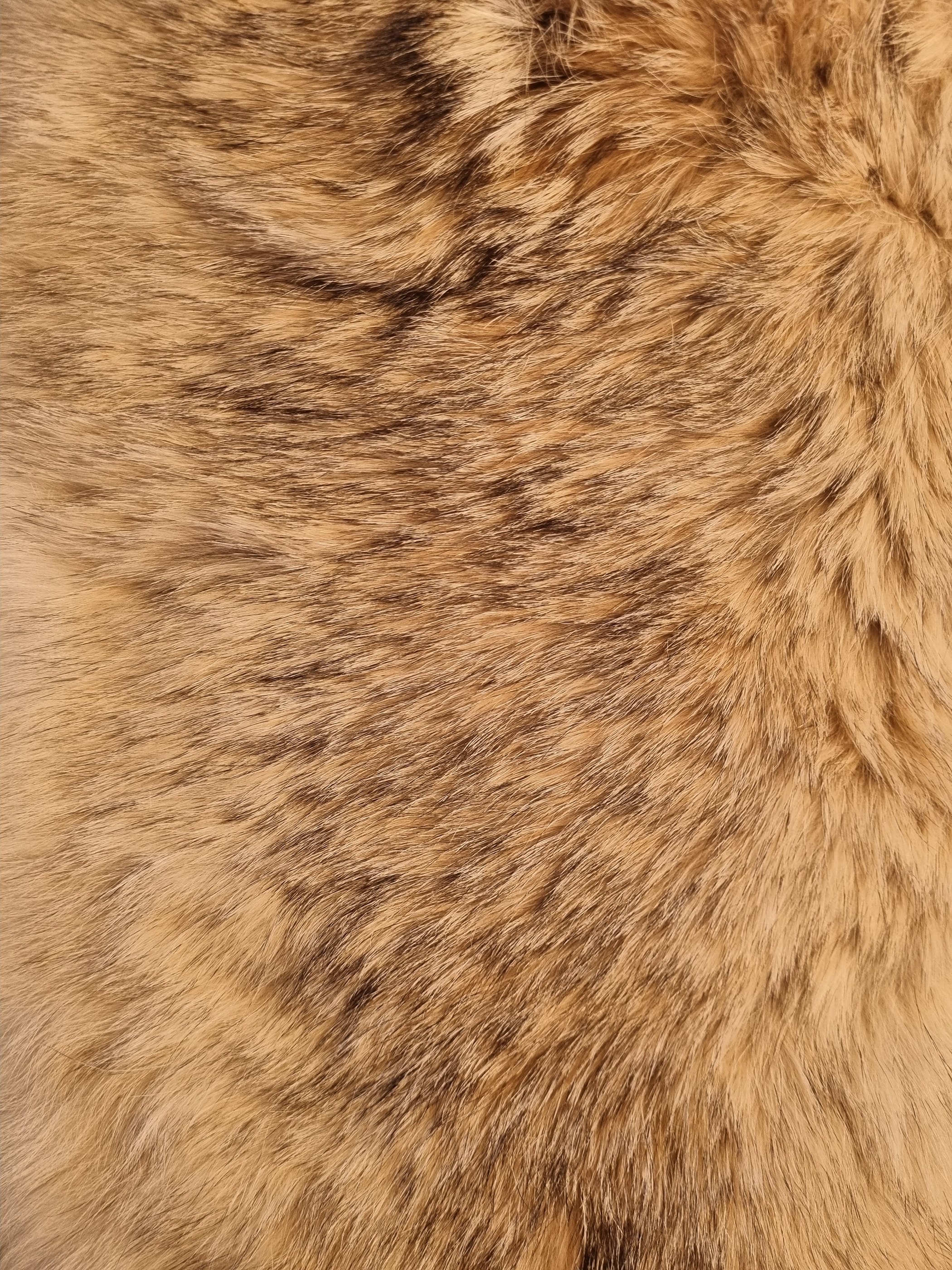
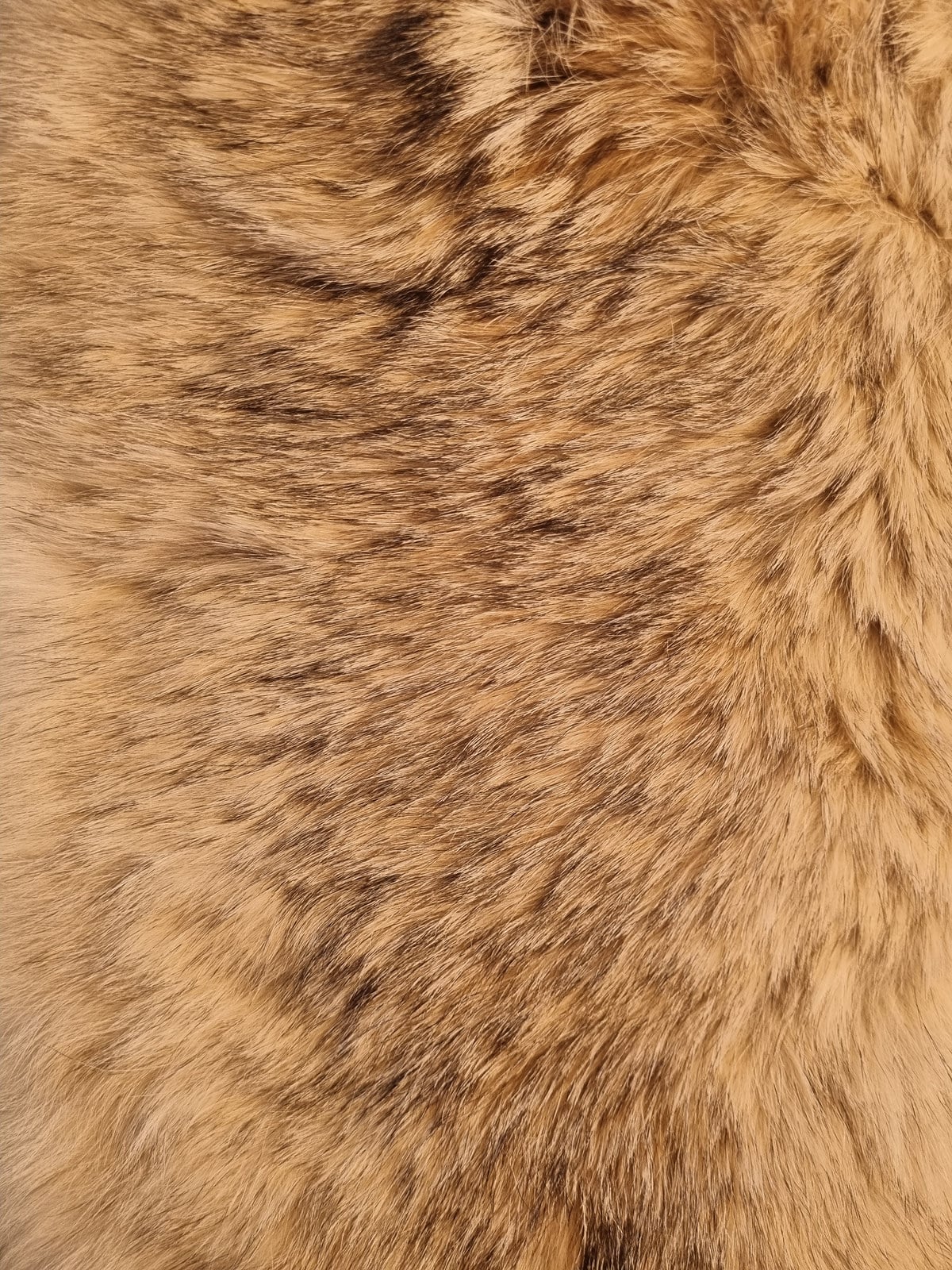
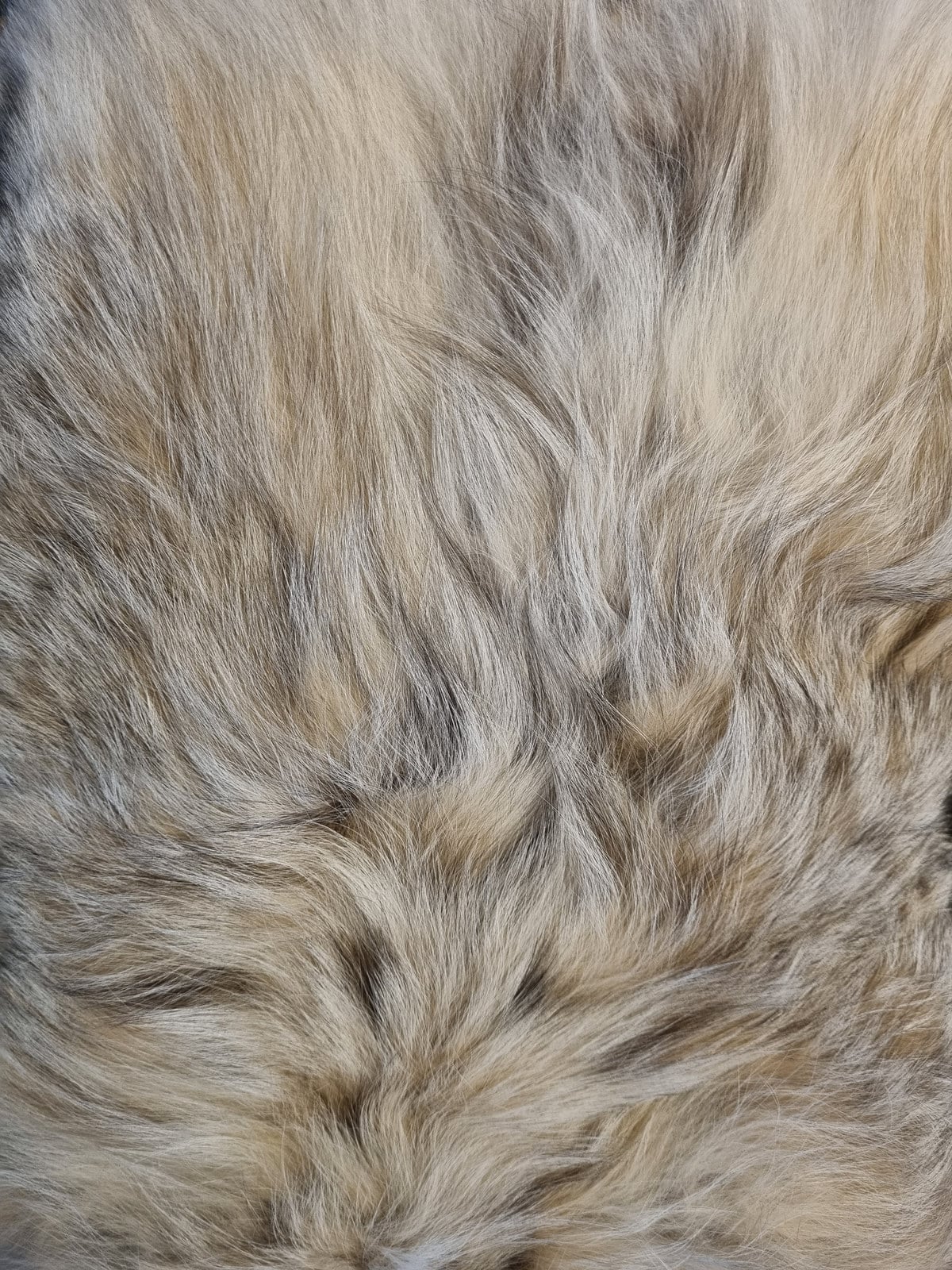
Coyote pelt in close view: cream and tan fur tipped with grey and black

The Fur Guide

Six furs. Look closely.

This one is coyote, photographed as it is. Every photograph in this guide is of the pelt itself, not a rendering of it, and every one of them opens under a loupe.

The six furs

Six furs, each with its own temperament.

Wild, never farmed.

Every entry carries the same four things: how the fur behaves, what it is best suited to, what will differ from the photograph when your own piece arrives, and whether it can cross a border on its own.

Coyote pelt in close view: cream and tan fur tipped with grey and black

Coyote

Wild character shaped by the land.

Long · Textured

Volume
4 of 5
Movement
4 of 5
Variation
5 of 5
View details

Canis latrans

About

Long guard hairs and natural tonal variation give Coyote a pronounced texture and unmistakably Northern character.

Best suited to

A more distinctive, textured appearance.

Natural variation

Colour and markings will vary from piece to piece.

Can it travel?

Not CITES listed. Travels without a CITES permit.
Everything about Coyote
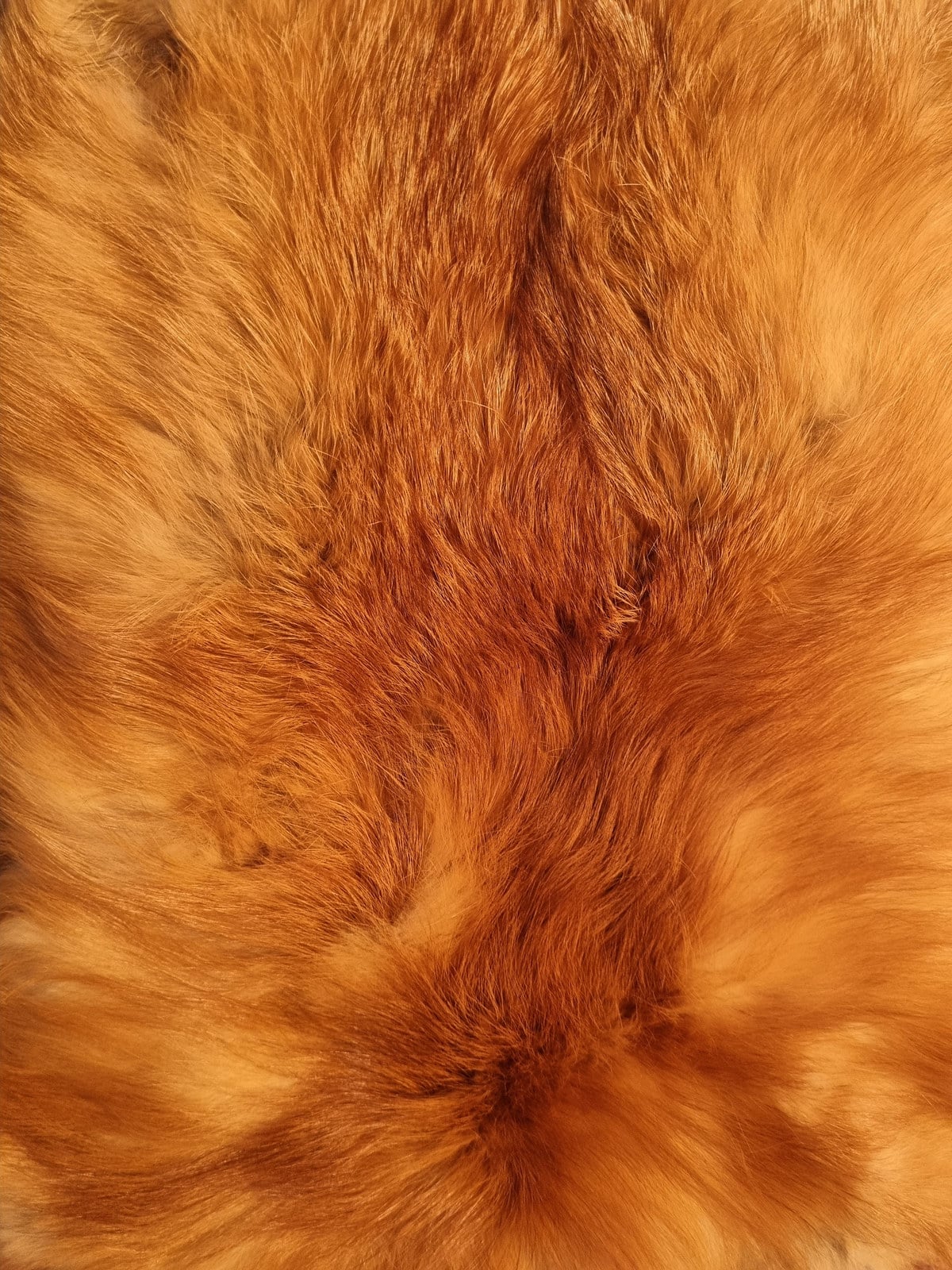
Red fox pelt in close view: vivid copper orange fur with a deeper red centre line

Red Fox

Bold colour and natural movement.

Full · Lively

Volume
4 of 5
Movement
5 of 5
Variation
4 of 5
View details

Vulpes vulpes

About

Rich natural colour and visible movement give Red Fox a warm, expressive presence.

Best suited to

A fuller, more expressive silhouette.

Natural variation

Natural warmth, markings and tonal movement will vary.

Can it travel?

Not CITES listed. Travels without a CITES permit.
Everything about Red Fox
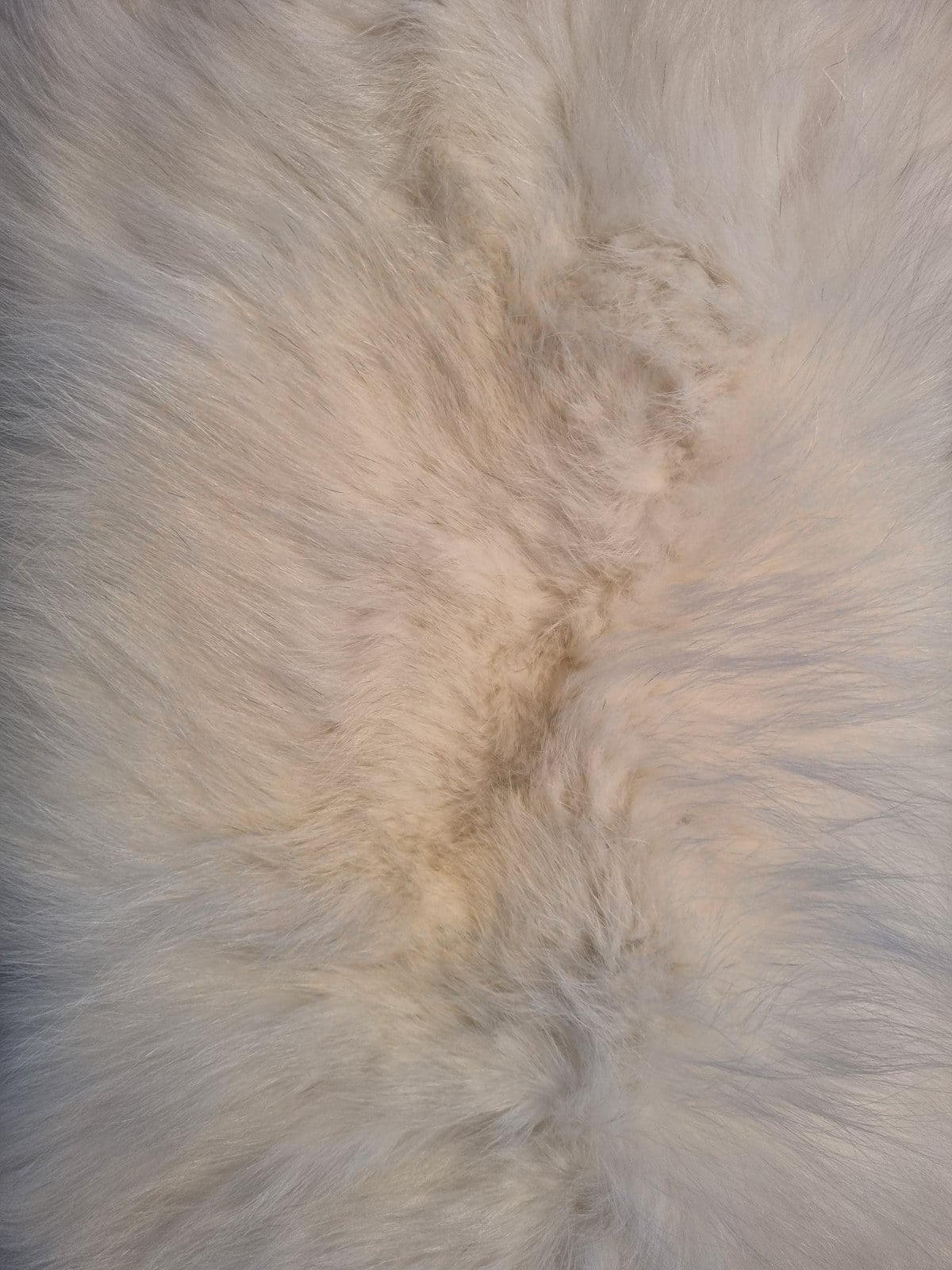
Arctic fox pelt in close view: dense, long, ivory white fur with a faint cream centre line

Arctic Fox

Soft, quiet and unmistakably Northern.

Plush · Full

Volume
5 of 5
Movement
4 of 5
Variation
2 of 5
View details

Vulpes lagopus

About

Soft tonality and substantial volume give Arctic Fox a quiet colour palette with a pronounced, plush surface.

Best suited to

A softer, fuller and more voluminous appearance.

Natural variation

Tone and density vary naturally while remaining comparatively subtle.

Can it travel?

Not CITES listed. Travels without a CITES permit.
Everything about Arctic Fox
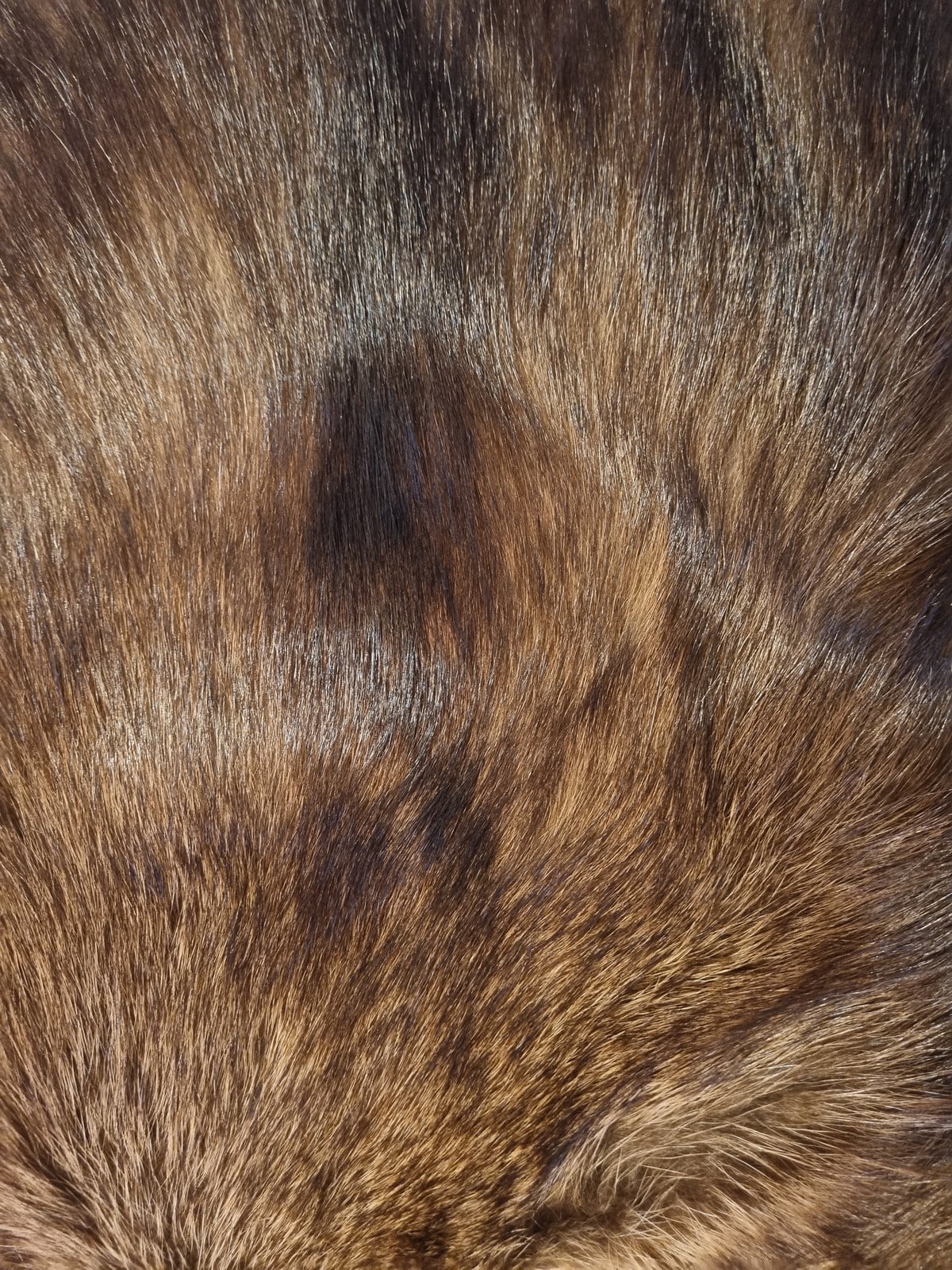
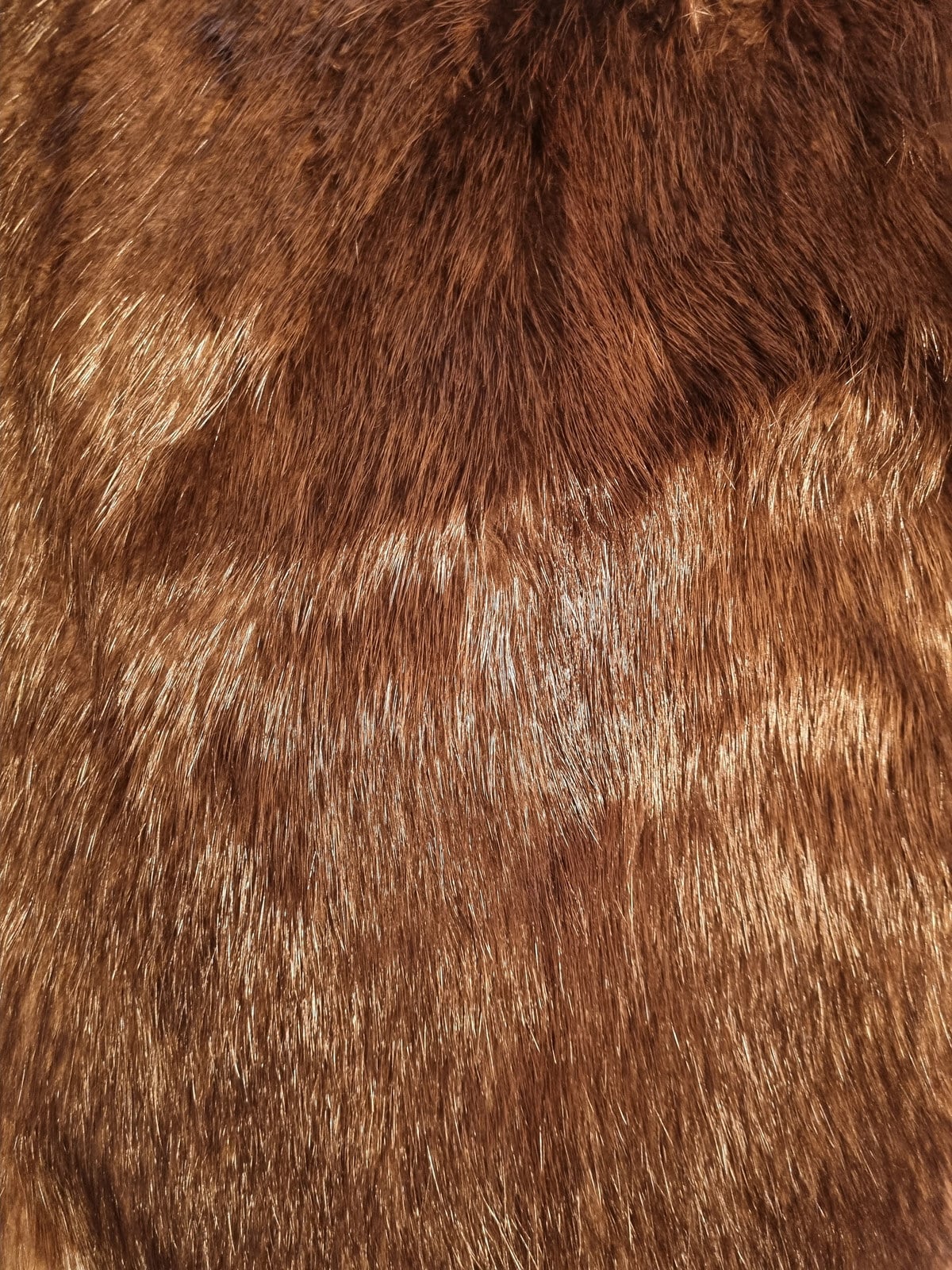
Beaver pelt in close view: glossy chestnut brown guard hair over a dense underfur

Beaver

Durable. Timeless. Naturally insulating.

Dense · Smooth

Volume
2 of 5
Movement
2 of 5
Variation
2 of 5
View details

Castor canadensis

About

Beaver has a dense, refined character. When hand-plucked and sheared, the longer guard hairs are removed to reveal an exceptionally soft underfur.

Best suited to

A quieter, lower-profile appearance with exceptional softness.

Natural variation

Natural colour and density vary subtly from pelt to pelt.

Can it travel?

Not CITES listed. Travels without a CITES permit.
Everything about Beaver
Lynx pelt in close view: long, silky, pale cream fur with soft grey-brown markings

Lynx

Rare patterning with refined depth.

Patterned · Soft

Volume
3 of 5
Movement
3 of 5
Variation
5 of 5
View details

Lynx canadensis

About

Distinctive markings and tonal variation make pattern an important part of the character of every Lynx piece.

Best suited to

A naturally patterned, highly individual appearance.

Natural variation

Pattern placement and colour are inherently unique.

Can it travel?

Yes, with permits. Lynx is listed on Appendix II of CITES, so a piece in Lynx is arranged personally with the Butler Desk and crosses a border with a CITES export permit.

Everything about Lynx
Otter pelt in close view: short, dense, dark brown fur with a fine sheen

Otter

Silken texture with exceptional resilience.

Dense · Sleek

Volume
1 of 5
Movement
2 of 5
Variation
2 of 5
View details

Lontra canadensis

About

Dense, shorter fur gives Otter a smooth visual character and restrained profile.

Best suited to

A sleeker, more understated appearance.

Natural variation

Natural variation is generally quieter than longer-haired furs.

Can it travel?

Yes, with permits. Otter is listed on Appendix II of CITES, so a piece in Otter is arranged personally with the Butler Desk and crosses a border with a CITES export permit.

Everything about Otter
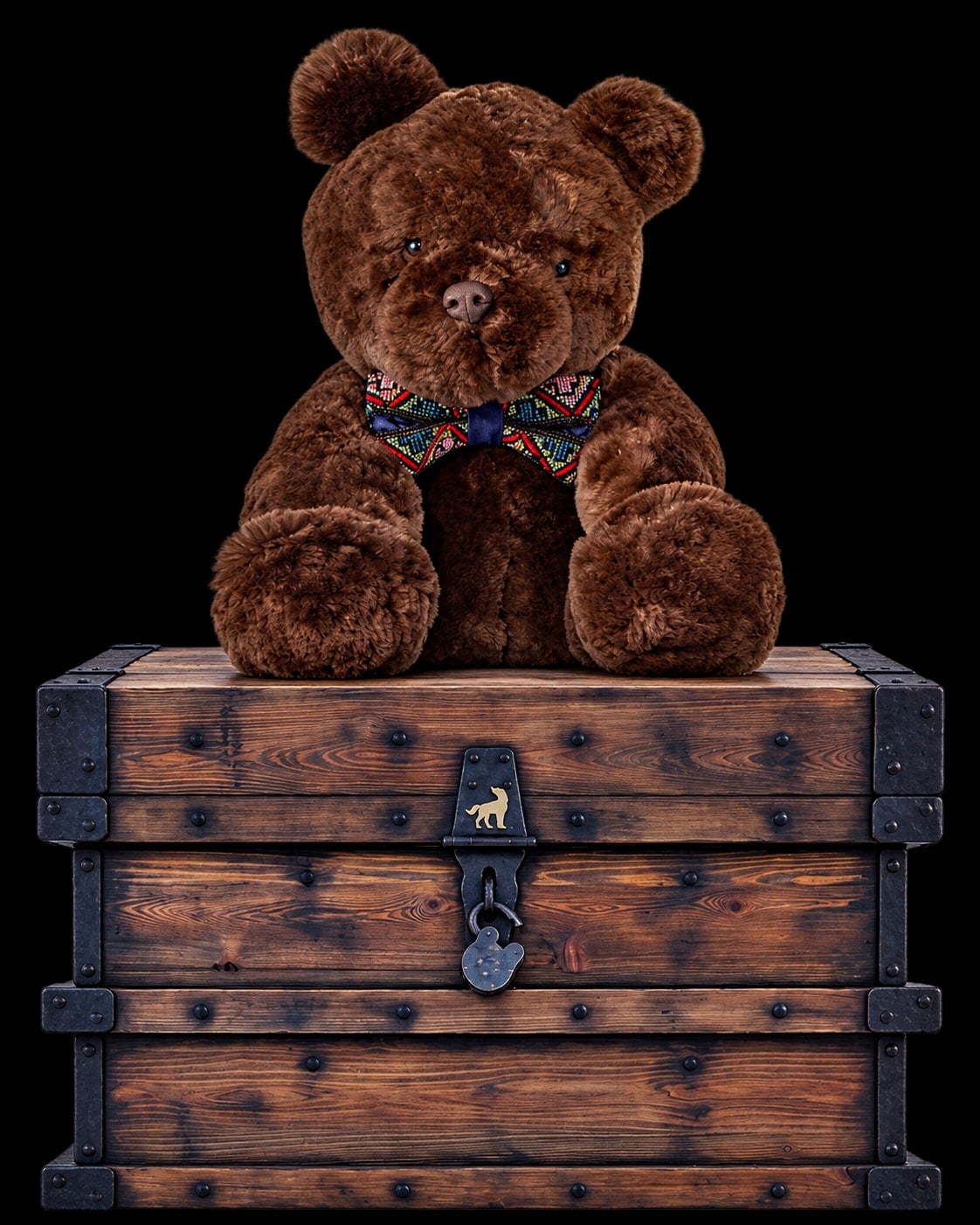
A dark brown sheared beaver bear with a beaded bow tie, seated on the house's iron-bound wooden chest

Preparation

Hand-Plucked and Sheared Beaver

A different expression of the material.

The hand-plucked and sheared process removes the longer guard hairs, revealing an exceptionally dense, soft underfur.

It is the same animal and the same pelt as the Beaver entry above. What changes is the hand that prepares it. The Butler Bear is made this way, and the underside of every Throw is too.

Crossing a border

Where a piece can go, and who arranges it.

We would rather tell you now than at the border.

Coyote, Red Fox, Arctic Fox and Beaver are not listed under CITES. A piece in one of those furs travels like any other parcel, with the usual customs paperwork and whatever duties the destination charges.

Lynx and Otter are listed on Appendix II of CITES. Pieces in those furs are arranged personally with the Butler Desk, paid by bank wire, and shipped with a CITES export permit. That work is ours, not yours.

Coyote
Not CITES listedTravels without a CITES permit.
Red Fox
Not CITES listedTravels without a CITES permit.
Arctic Fox
Not CITES listedTravels without a CITES permit.
Beaver
Not CITES listedTravels without a CITES permit.
Lynx
CITES Appendix IIArranged with the Butler Desk and shipped with a permit.
Otter
CITES Appendix IIArranged with the Butler Desk and shipped with a permit.

Materials of the North

Chosen for character, not uniformity.

Our fur is ethically harvested from wild populations, sourced strictly from registered, independent local trappers: traditional land stewards with generational land-based knowledge. We never source from commercial fur venues. Every artifact is 100% handsewn in Canada.

The hands that make them
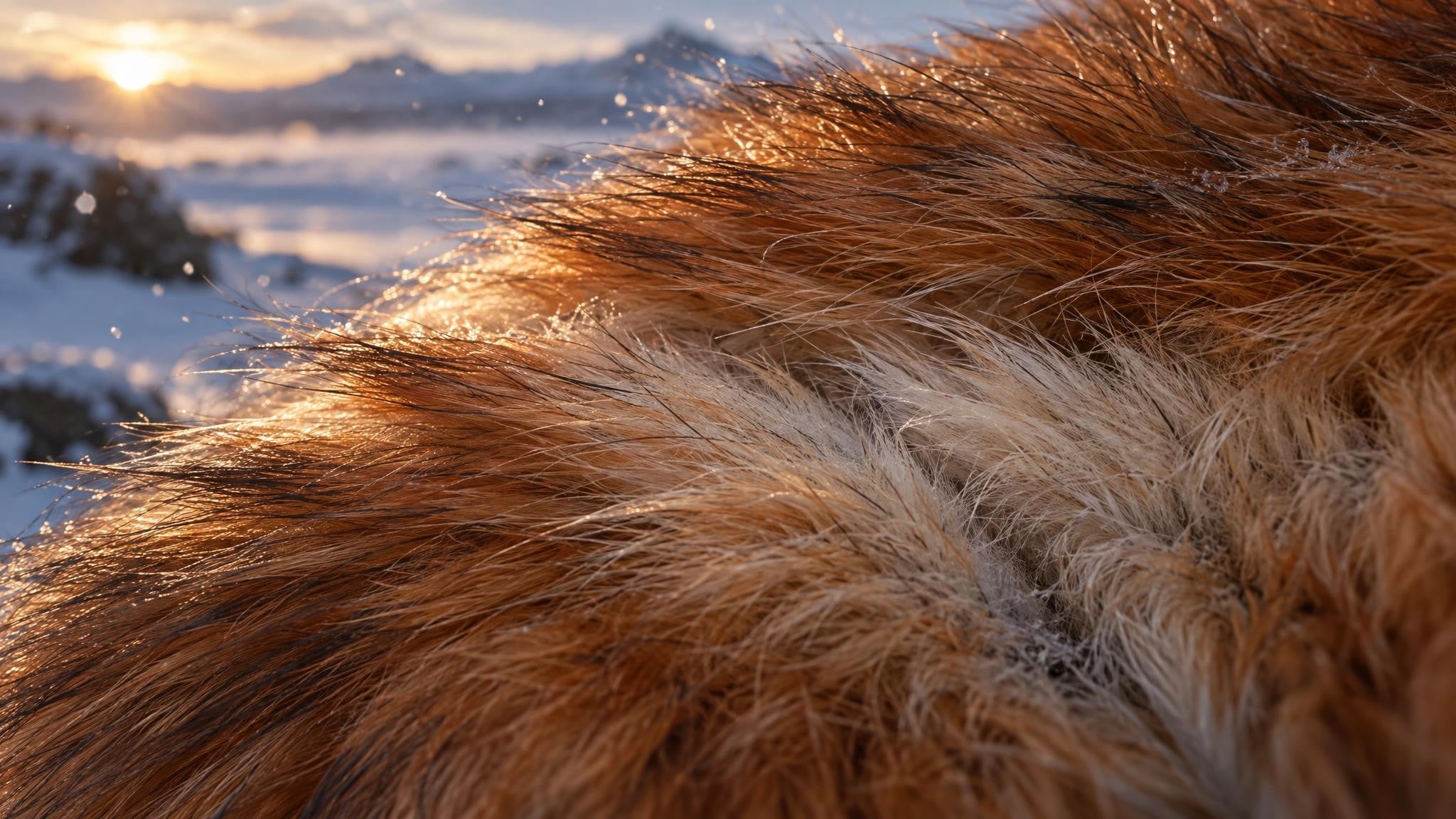
Extreme close-up of red fox guard hairs lifting in the wind, backlit by a low winter sun with snow crystals in the air
The frame is reserved. Nothing plays yet.

The film

Fur in northern light.

Not made yet, and we will not pretend otherwise.

A film of the furs is planned alongside the winter photography: the hair moving in real wind and real light, and the hands that sew it. This is the frame it will sit in. Until it exists, we would rather show you an empty poster than somebody else’s footage.

In the meantime, the photographs on this page are the material itself. Open one under the loupe and look as closely as you like.

Common questions

The questions people actually ask.

Where do you ethically source your fur from?

All of our fur is ethically procured from registered Canadian fur trappers who follow strict government regulations and sustainable harvesting practices. These trappers are licensed professionals, many of whom belong to generations of Indigenous and Northern communities with deep respect for the land and wildlife. Every pelt used in our pieces is sourced through legal, humane, and environmentally responsible channels, ensuring both ethical integrity and exceptional quality. We take pride in supporting traditional livelihoods while upholding the highest standards of craftsmanship and conservation.

Are your furs certified by any international or Canadian regulatory bodies?

Yes, all of our fur is handled in full compliance with the regulations set by CITES (the Convention on International Trade in Endangered Species of Wild Fauna and Flora). CITES is an international agreement between governments that ensures the trade of wildlife and wildlife products does not threaten the survival of the species. It provides a legal framework to monitor, control, and regulate the sustainable use of natural resources across borders. You can learn more about CITES and its conservation efforts at cites.org.

How do you ensure sustainability in your production process?

Sustainability is woven into every stage of our production. We work exclusively with certified Canadian fur trappers who follow strict government-regulated quotas designed to protect wildlife populations and preserve natural ecosystems. Our approach emphasizes minimal waste: each pelt is used with precision and care.

All of our pieces are handcrafted in small batches by skilled northern artisans, reducing our environmental footprint and supporting local craftsmanship. Unlike mass-produced synthetic alternatives, natural fur is biodegradable, long-lasting, and requires fewer industrial chemicals, making it a conscious choice for those who value both luxury and sustainability.

All common questions

The Butler Desk

A person answers. Tell us what you are considering.

Hours

Monday to Saturday, 9:00 to 18:00 Mountain Time

In writing

Every note is read by the Butler Desk in Yellowknife and answered personally.